Shopping Cart
Your shopping cart is empty!
-800x800.jpeg "Seeds for lettuce Kerilis light green leaf type Gautier")
-800x800.jpeg "Seeds for lettuce Kerilis light green leaf type Gautier")
-800x800.jpeg "Seeds for lettuce Kerilis light green leaf type Gautier")
-800x800.jpeg "Seeds for lettuce Kerilis light green leaf type Gautier")
-800x800.jpeg "Seeds for lettuce Kerilis light green leaf type Gautier")
-800x800.jpeg "Seeds for lettuce Kerilis light green leaf type Gautier")
-800x800.jpeg "Seeds for lettuce Kerilis light green leaf type Gautier")
-800x800.jpeg "Seeds for lettuce Kerilis light green leaf type Gautier")
-800x800.jpeg "Seeds for lettuce Kerilis light green leaf type Gautier")
-800x800.jpeg "Seeds for lettuce Kerilis light green leaf type Gautier")
-800x800.jpeg "Seeds for lettuce Kerilis light green leaf type Gautier")
Batavia lettuce for short days – quality and yield when others stop.

Lettuce Kerilis is a certified modern Batavia hybrid from Gautier (France) with a compact rosette, good volume, and finely curled light green leaves. Developed specifically for late autumn and early spring – unheated greenhouses and open field. Broad HR resistance to downy mildew. Available at theseeds.shop in packs of 5,000 pellets.
Text block body.
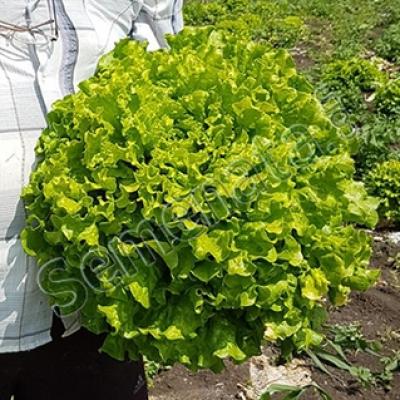
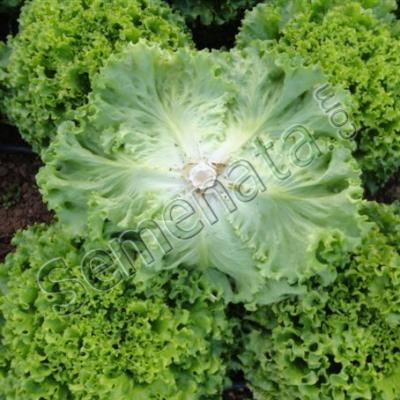
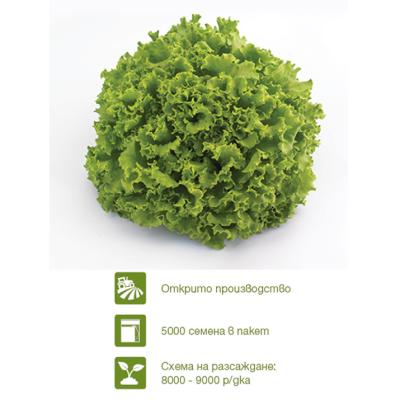
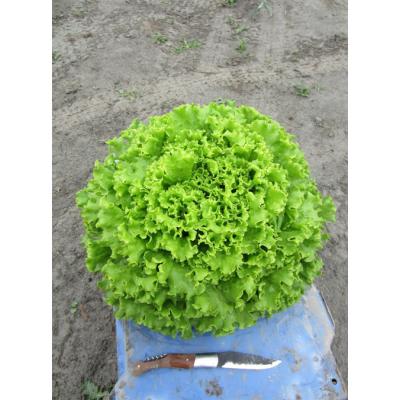
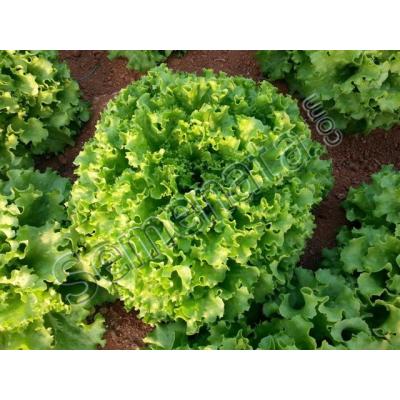
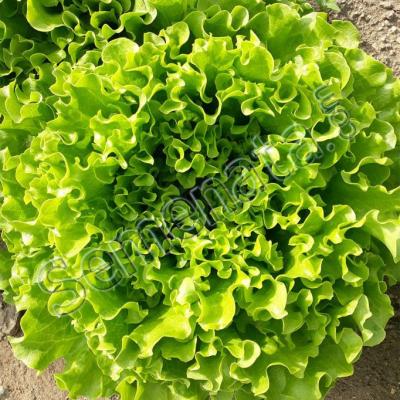
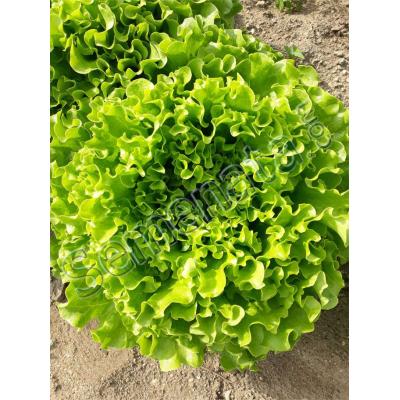
Kerilis forms a compact rosette with good volume and weight, covered with finely curled light green leaves. Appearance is attractive and consistent – suitable for direct fresh market sales. The structure is typical of modern Batavia – a dense rosette with good weight, easy to cut, and with excellent shelf presentation.
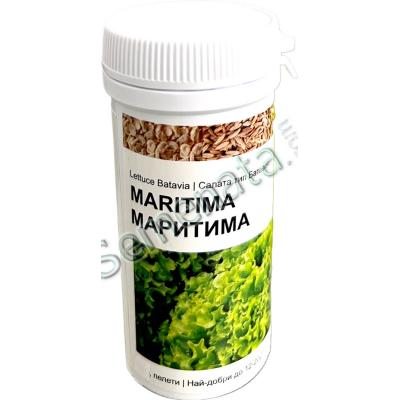
Kerilis is a modern certified Batavia hybrid developed specifically for short-day production – late autumn and early spring. Suited to unheated greenhouses and open-field growing under these conditions. The compact rosette makes harvesting straightforward, and the good head weight and volume ensure reliable market performance. A strong option for growers who want to extend the season beyond the main summer months. Available at theseeds.shop in packs of 5,000 pellets.
For lettuce, standard plant density is 9,000–10,000 plants/dka. Recommended spacing is 30–40 cm between rows and 25–30 cm within the row. The seeding rate is 30–50 g transplant/dka at 800–1,000 seeds/g. Kerilis is available in pelleted form, which simplifies precise direct sowing and reduces the need for transplant production.
The minimum germination temperature for lettuce is 3.5°C and the optimal is 12°C. This makes it well suited to early spring and late autumn sowing at low temperatures. Above 25°C germination is suppressed, which is why Kerilis is optimised for the cooler short-day seasons rather than summer.
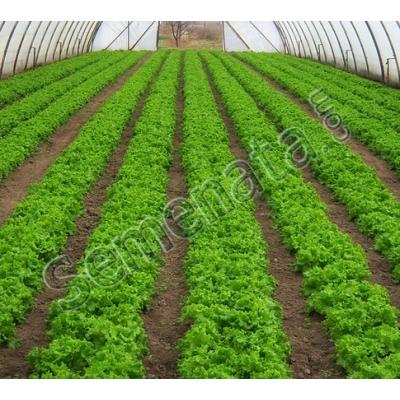
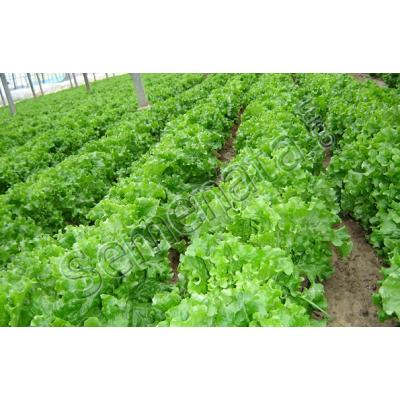
Kerilis is specifically developed for short-day production – late autumn and early spring. It performs well in unheated greenhouses and in the open field under these conditions. This makes it a valuable option for growers who want to extend their season beyond the warm months and maintain a continuous supply to the fresh market.
In autumn-winter and early spring production, the main risk is downy mildew under humid and cool conditions. Kerilis carries a broad HR resistance package against Bl 16-32, 34, 36EU, making it reliable precisely during these periods. Tip burn resistance also reduces losses during temperature fluctuations and condensation in unheated greenhouse environments.
Kerilis solves the challenge of producing quality lettuce outside the main summer season. While most Batavia varieties are oriented towards warm months, Kerilis is optimised for short days and cool conditions – exactly when market competition is lower and prices are better. Good head weight, volume, and attractive appearance make it easy to sell and deliver consistent profitability.